What Does The Latest Research Tell Us About ITB Syndrome?
A recent study aimed to explore the evidence surrounding ITB syndrome, in terms of pathology and management.
What you’ll read below is a snippet from the review.
Back to the study!
STUDY TITLE: Iliotibial band pathology: synthesising the available evidence for clinical progress – Geisler P (2020).
Key Points From The Study:
- Iliotibial band syndrome (ITBS) is thought to be a pathology of compression of sensitive structures, not friction.
- The ITB cannot be stretched and therefore treatment should not focus on stretching.
- Hip strength and control are thought to be key parts of management.

Background and Objective
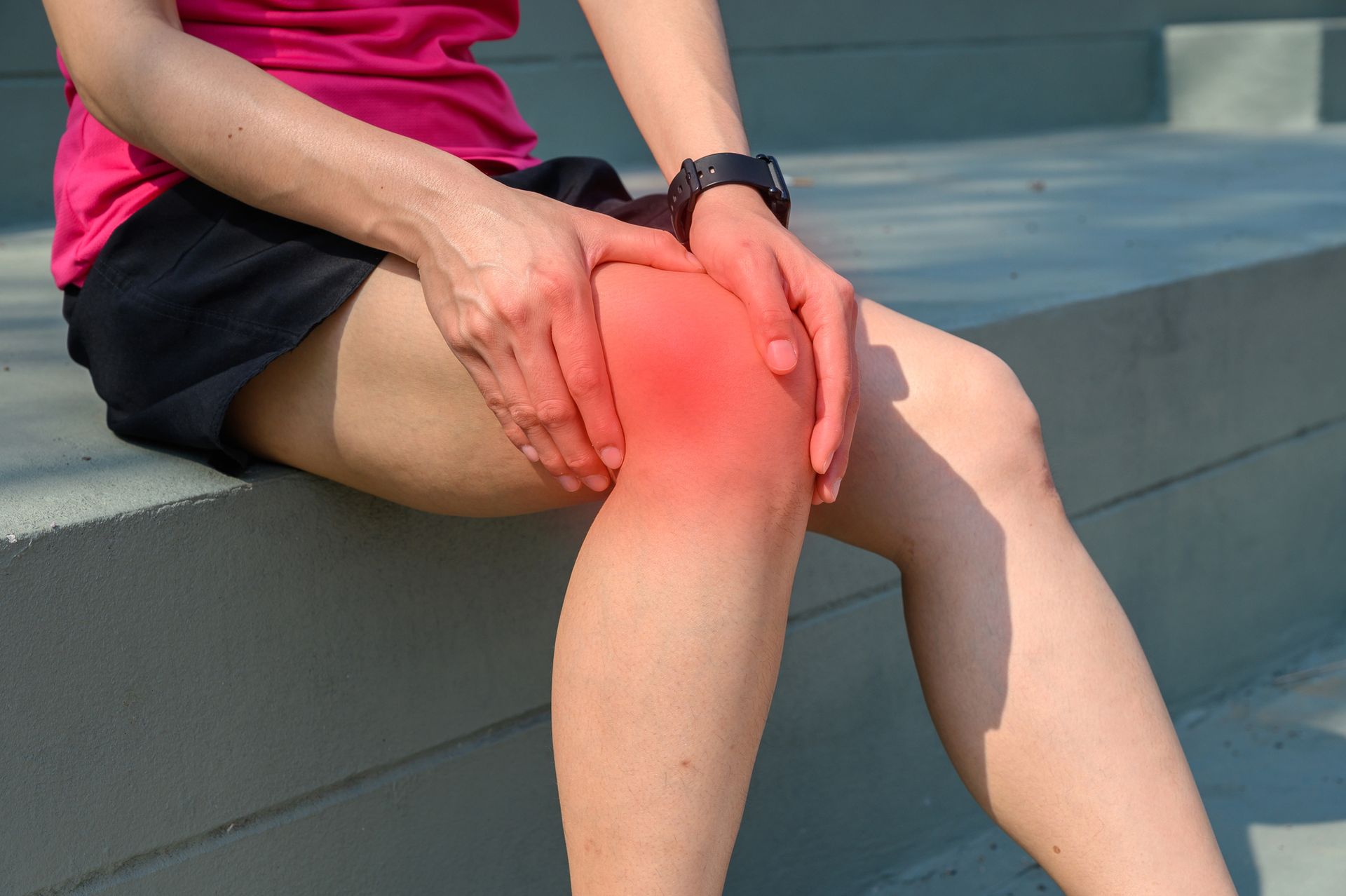
ITBS is thought to be the most common cause of lateral knee pain, and yet it’s a pathology that is poorly understood and drastically under-researched! This narrative review sought to examine the literature to provide an overview of current thoughts on pathology and management.
Pathology
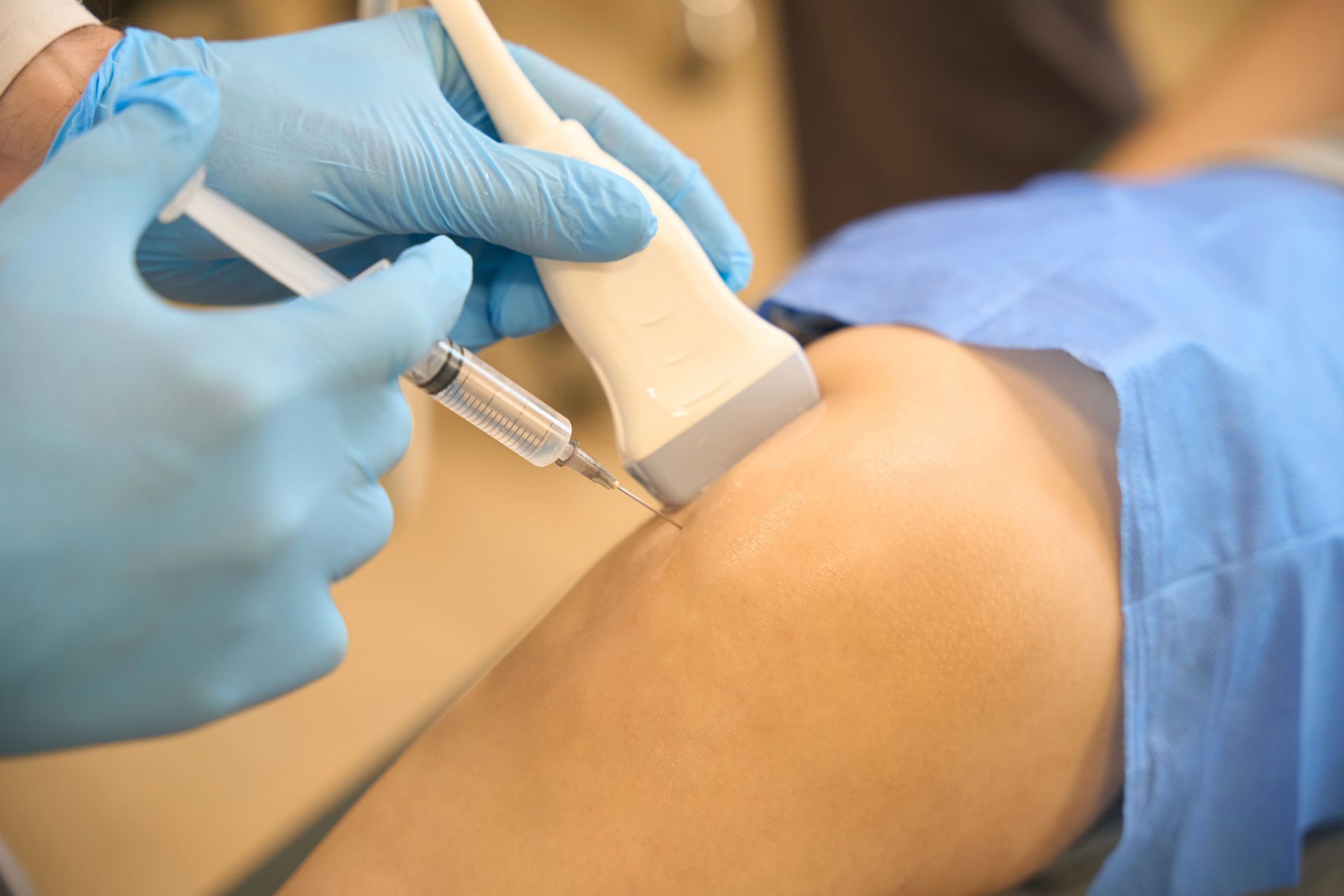
For some time, ITBS has been considered a ‘friction syndrome’ with the ITB thought to cause friction on the structures beneath it, leading to pain. More recent research however suggests that ITB pathology is more likely to involve compression of sensitive structures beneath the ITB rather than friction. This distinction is important as it has influenced treatment which has been targeted at stretching the ITB (to reduce friction) and steroid injections to reduce inflammation (e.g. in the bursa).
You can’t stretch the ITB!
The ITB is a strong, complex structure with multiple attachments along the femur and distally around the knee. It provides stability for both the hip and knee joints and is thought to store and release energy like a spring. Current thinking is that a) you can’t stretch it, and b) you wouldn’t want to anyway!
Rehab Options
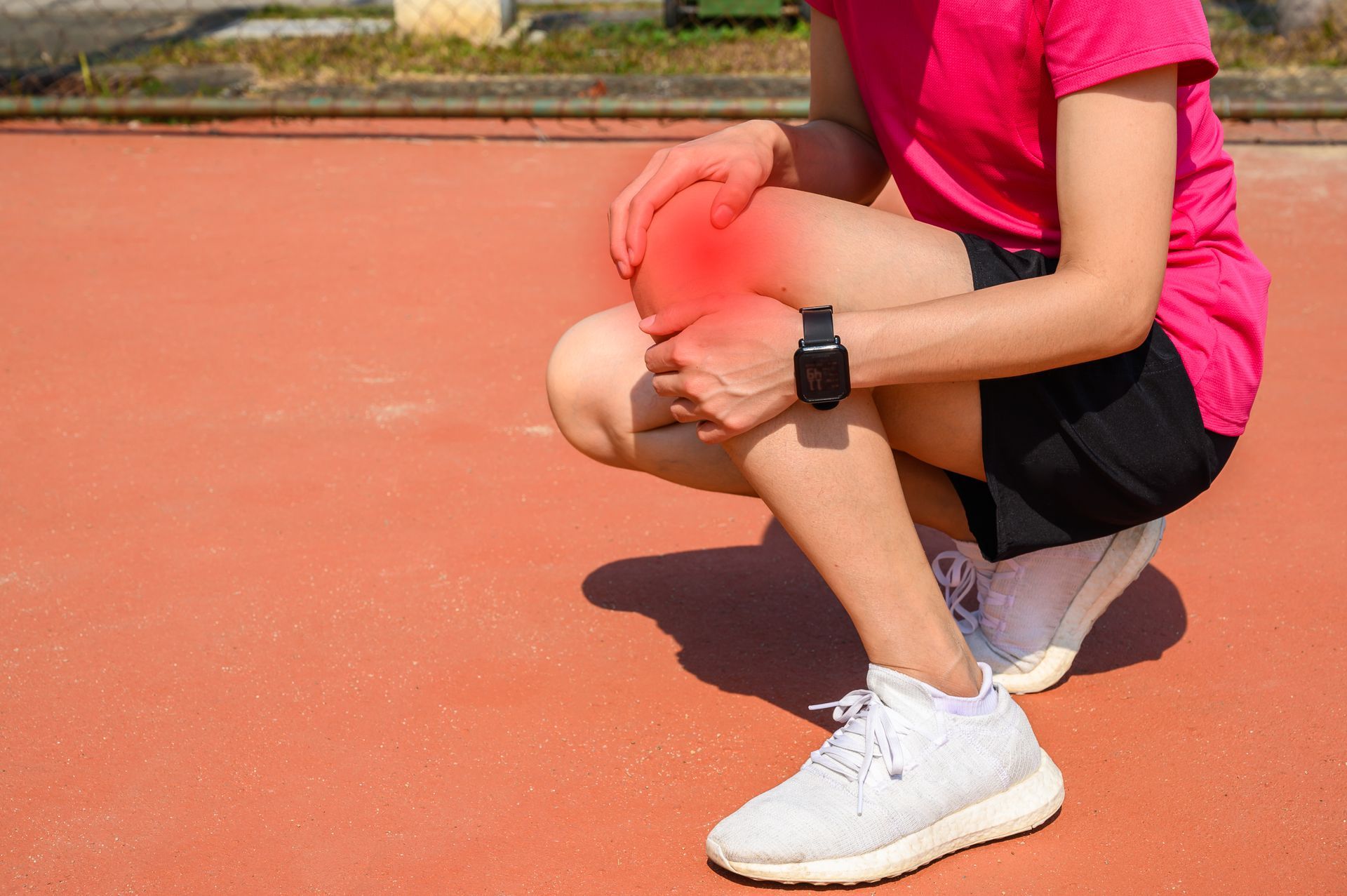
Loss of strength and control around the hip are thought to be key in the development of ITBS, especially weakness in hip abduction and external rotation, and increased hip adduction during loading (e.g. running). Training error is also thought to be a factor in over 60% of cases.
Treatment should aim to first calm symptoms and then address causative factors. The author suggests a progressive, 3-level programme:
Level 1:
Low load, mostly open chain exercises (such as side-lying abductions, side planks, side-lying external rotations, and hip extension strengthening e.g. glute bridges).

Level 2:
Moderate load, closed chain exercises (such as mini-squats, lunges, and step-ups).
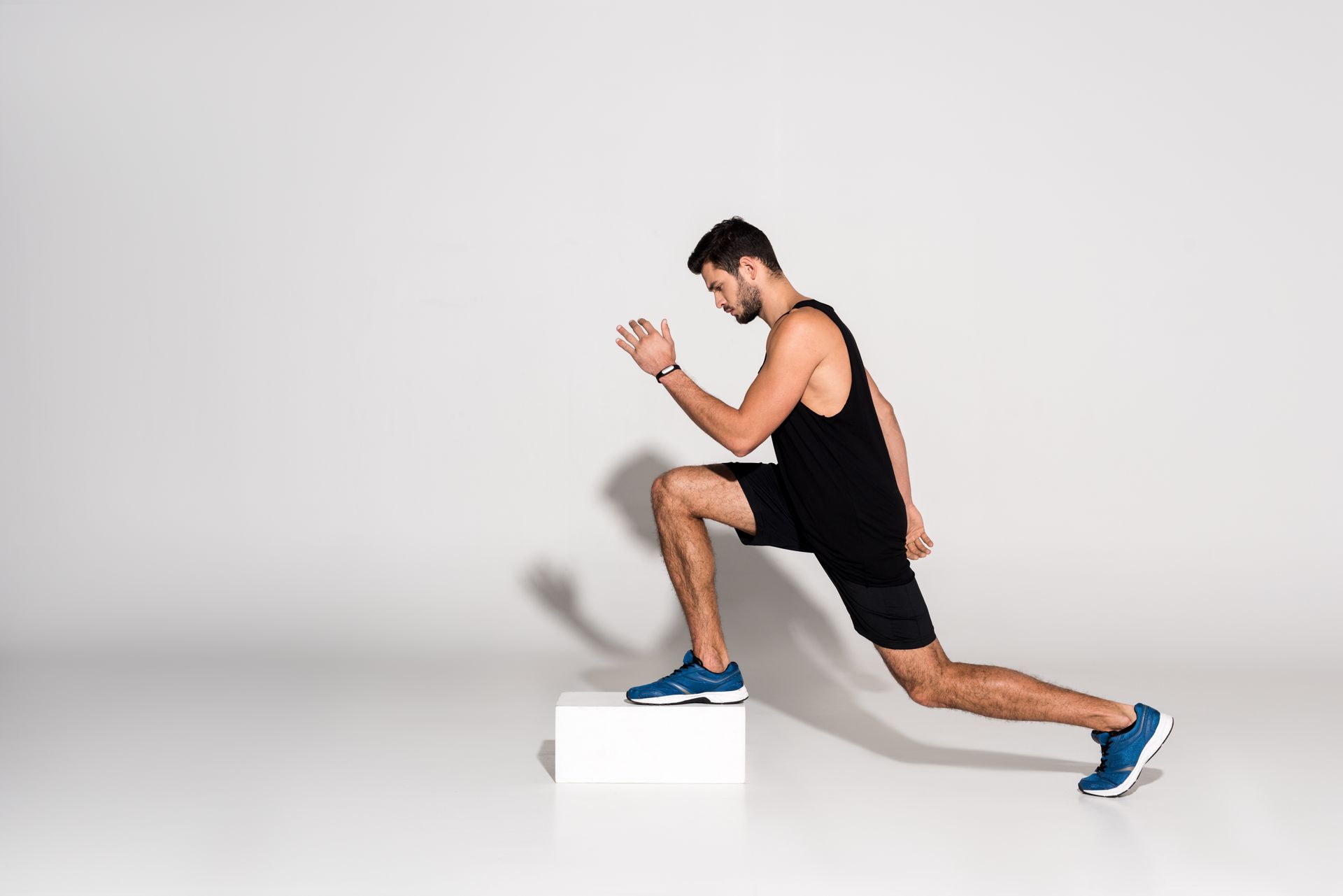
Level 3:
Higher load exercises, including impact and sports preparation (such as goblet squats, single leg squats, and plyometrics).

At Chelmsford Physio, we specialise in the rehabilitation of tendon complaints, both of the upper limb and lower limb. We see and successfully treat lots of ITB syndrome complaints in our clinic every month.
If you have any questions or would like some further advice, please don’t hesitate to get in touch.
Thank you for reading!
Chelmsford Physio
Riverside Leisure Centre, Victoria Rd, Chelmsford CM1 1FG