
Chelmsford Physio Blog

When Is Too Much Sport Too Much? The Risks of High Training Loads in Skeletally Immature Adolescents
Sport and physical activity are an important part of a young person's physical, psychological and social development. However, more sport is not necessarily better, particularly when an adolescent is still growing...

Few professional athletes provide a more interesting real-world example of complex foot pathology than Rafael Nadal...

Freiberg’s disease is an uncommon condition affecting the metatarsal head, most frequently the second metatarsal. It is characterised by osteonecrosis and subsequent structural changes within the metatarsal head, which can progress to flattening, collapse and degenerative changes at the metatarsophalangeal (MTP) joint.
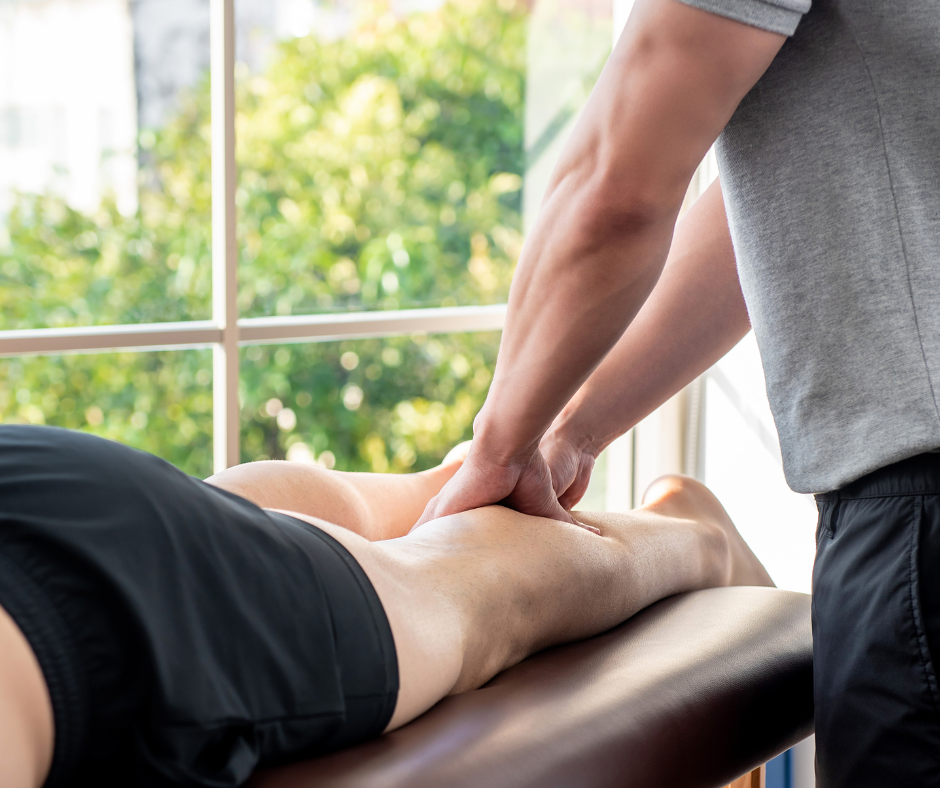
Sports Massage Benefits - 500+ Google Reviews - Your Local Essex Physio - Riverside Leisure Centre - All Types of Physiotherapy
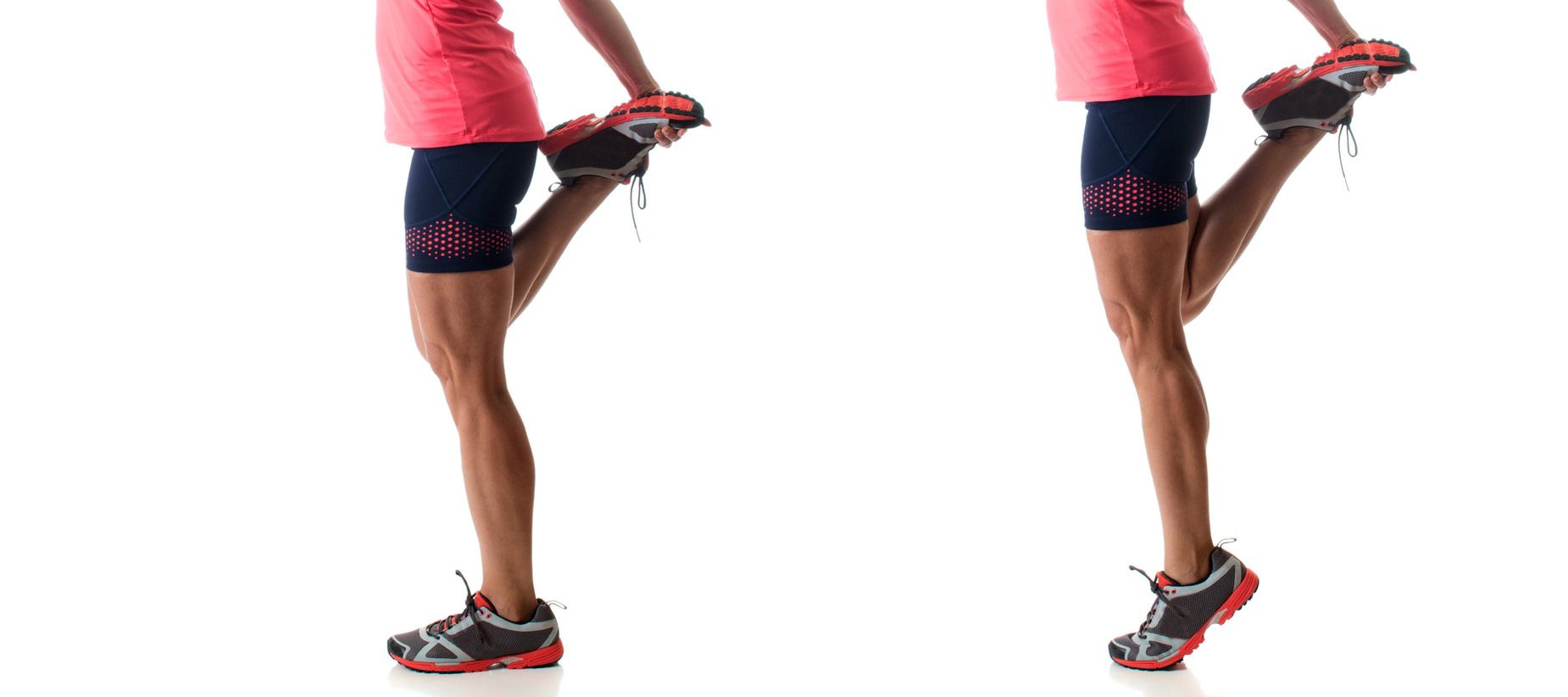
Exercises for Any Marathon Runner - 500+ Google Reviews - Your Local Essex Physio - Highly Qualified - Riverside Leisure Centre - All Types of Physiotherapy

The Impact of Plyometric Exercises on Running Performance - 600+ Google Reviews - Your Local Essex Physio - Riverside Leisure Centre
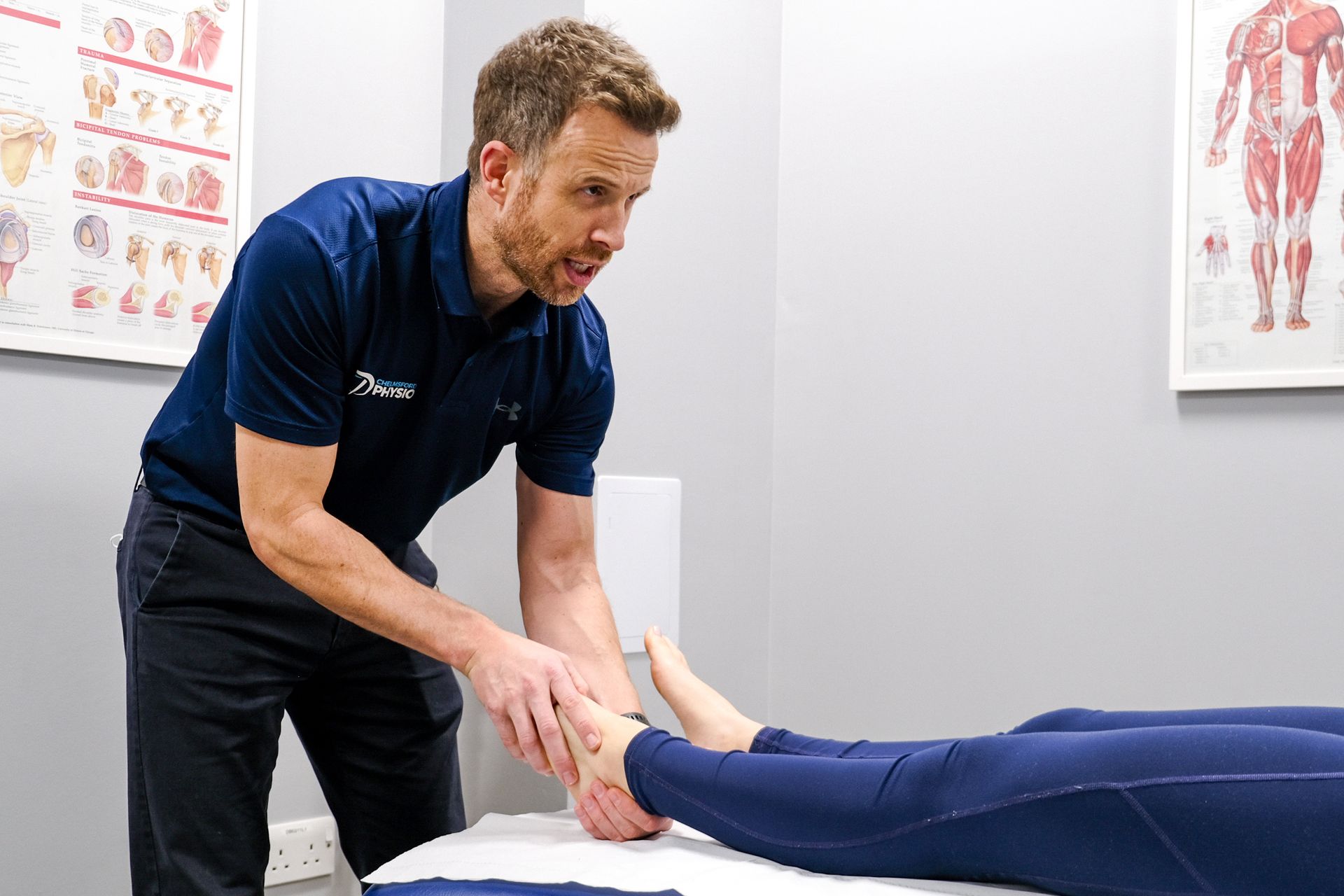
When it comes to addressing physical injuries or pain, timely access to physiotherapy can make a significant difference in recovery outcomes. While the NHS provides essential health services, long waiting times can often hinder immediate relief. This is where private physiotherapy enters the frame as a viable alternative. Here are several benefits of opting for Chelmsford Physio over waiting for NHS services. 1. Faster Access to Treatment One of the most compelling reasons to choose Chelmsford Physio is the speed of access to treatment. NHS physiotherapy services often involve lengthy waiting lists, sometimes extending weeks or even months. In contrast, private practitioners can offer prompt appointment scheduling, enabling you to start your rehabilitation without delay. For acute injuries or pain, this rapid access can be vital for effective recovery. 2. Bespoke/Individualised Treatment Plans Chelmsford Physio have more time to devote to each patient due to lower caseloads. This allows for comprehensive assessments of 45 minutes, rather than the 20 minutes session on the NHS, and the formulation of personalised treatment plans tailored to individual needs. In a private setting, you can expect a thorough evaluation that takes into account your medical history, lifestyle, and specific goals, leading to a more effective recovery plan.

Frozen Shoulder Diagnosis - 700+ Google Reviews - Your Local Essex Physio - Riverside Leisure Centre - All Types of Physiotherapy

Frozen Shoulder Causes - 700+ Google Reviews - Your Local Essex Physio - Riverside Leisure Centre - All Types of Physiotherapy
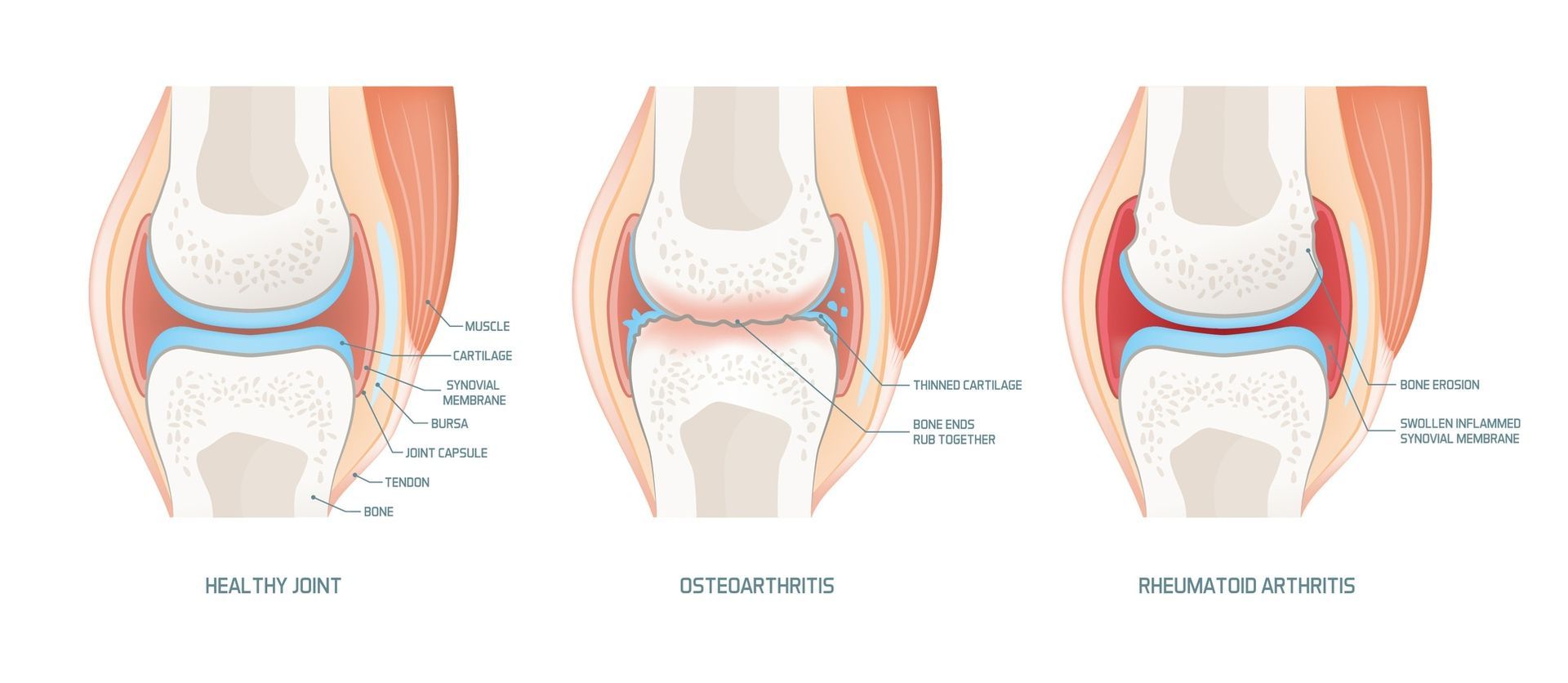
Rheumatoid Arthritis (RA) vs Osteoarthritis (OA) - 700+ Google Reviews - Your Local Essex Physio - Riverside Leisure Centre - All Types of Physiotherapy
Featured Posts
When Is Too Much Sport Too Much? The Risks of High Training Loads in Skeletally Immature Adolescents
Sport and physical activity are an important part of a young person's physical, psychological and social development. However, more sport is not necessarily better, particularly when an adolescent is still growing...
Few professional athletes provide a more interesting real-world example of complex foot pathology than Rafael Nadal...
Freiberg’s disease is an uncommon condition affecting the metatarsal head, most frequently the second metatarsal. It is characterised by osteonecrosis and subsequent structural changes within the metatarsal head, which can progress to flattening, collapse and degenerative changes at the metatarsophalangeal (MTP) joint.